Services
Six practices, one accountable team.
From early product decisions to the systems that keep running after launch. Most engagements draw on several practices, delivered by people with more than a decade of production experience.
01 Custom software development
Operational software shaped around your organisation.
We design and build the platforms organisations rely on every day: secure, role-based and structured around real processes rather than generic feature lists.
Discuss custom software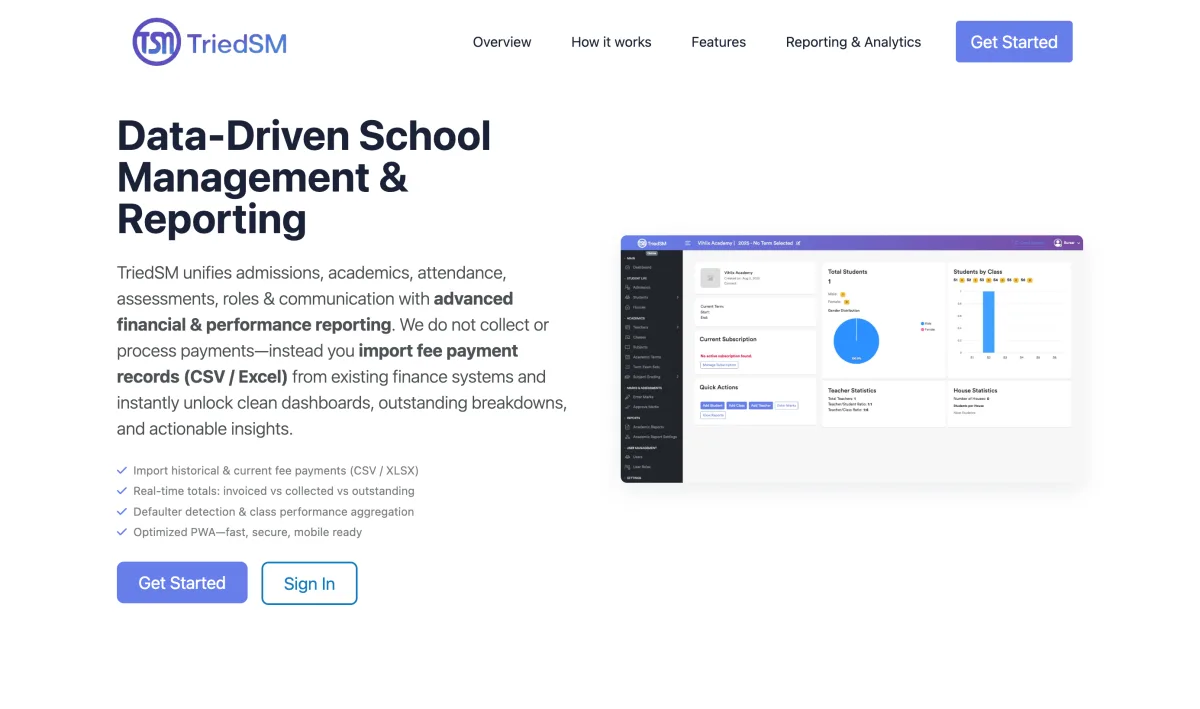
What we build
- Internal operations and management platforms
- Customer, member and partner portals
- Data, reporting and decision systems
- Finance, education, logistics and other sector platforms
- Replacements for legacy systems
Typical engagements
- Replacing spreadsheets and scattered tools
- Launching a new digital service
- Modernising software that has reached its limits
- Extending an existing product
- The problem
- Off-the-shelf tools can’t represent your workflows, controls, customers or competitive advantage.
- What you get
- Requirements, user experience, architecture, a production application, deployment and support documentation.
02 Mobile application development
Building for the phone in people’s hands since 2014.
Mobile has been one of our core disciplines from the start. We build apps that cope with real networks, a wide range of devices, payments, notifications and offline use, along with the backend systems behind them.
Discuss a mobile appWhat we build
- Native and cross-platform apps
- Consumer, workforce and enterprise tools
- Offline-first and low-bandwidth experiences
- Payments, identity, location and messaging integrations
- Mobile APIs and backend services
- App store release and ongoing updates
What we pay attention to
- How and where people will actually use the app
- Performance on lower-end devices
- Everything behind the interface that must also work
- Testing across platforms and releases
- Long-term maintainability
- The problem
- Customers or field teams need reliable access across devices, locations and inconsistent networks.
- What you get
- Product definition, app design, iOS and Android builds, backend integration, release process and a maintenance plan.
03 Systems integration
Make separate platforms behave as one system.
We connect applications, payment providers, partner services and databases so information moves reliably across your organisation.
Discuss an integrationWhat we connect
- Mobile and web apps to core platforms
- Payment providers and mobile money
- Enterprise and third-party APIs
- Identity, messaging and notification services
- Operational databases and reporting
What we prioritise
- Graceful handling of failures
- Clear, documented interfaces
- Security at every boundary
- Data integrity and audit trails
- Migration without disrupting operations
- The problem
- Disconnected systems cause duplicate data entry, inconsistent records, delayed transactions or fragile manual steps.
- What you get
- Integration architecture, interface specifications, working data flows, monitoring and recovery procedures.
04 AI engineering
AI features that work inside real products and processes.
We add AI capabilities to applications, internal tools and workflows where they save time or improve decisions. The goal is a dependable feature your team uses every day, with the controls to trust it.
Discuss an AI project
What we build
- Assistants for specific tasks and teams
- Search across your organisation’s documents and data
- Document extraction, classification and review
- Recommendations and intelligent search
- Plain-language queries over business data
- Workflows with human review built in
How we make it production-ready
- Success measures tied to business outcomes
- Permissions, safeguards and audit logs
- Freedom to change model or provider
- Controls on cost, speed and reliability
- Secure integration with existing systems
- Monitoring and ongoing improvement
- The problem
- Knowledge is hard to find, repetitive work takes up expert time, or an existing product needs smarter features.
- What you get
- A validated use case, a working AI feature, evaluation approach, integrations, operating controls and a roadmap.
05 Business process automation
Replace manual coordination with a system people will use.
We study how work really moves through your organisation, decide what should be simplified or automated, and build tools that fit the way your team works.
Discuss automation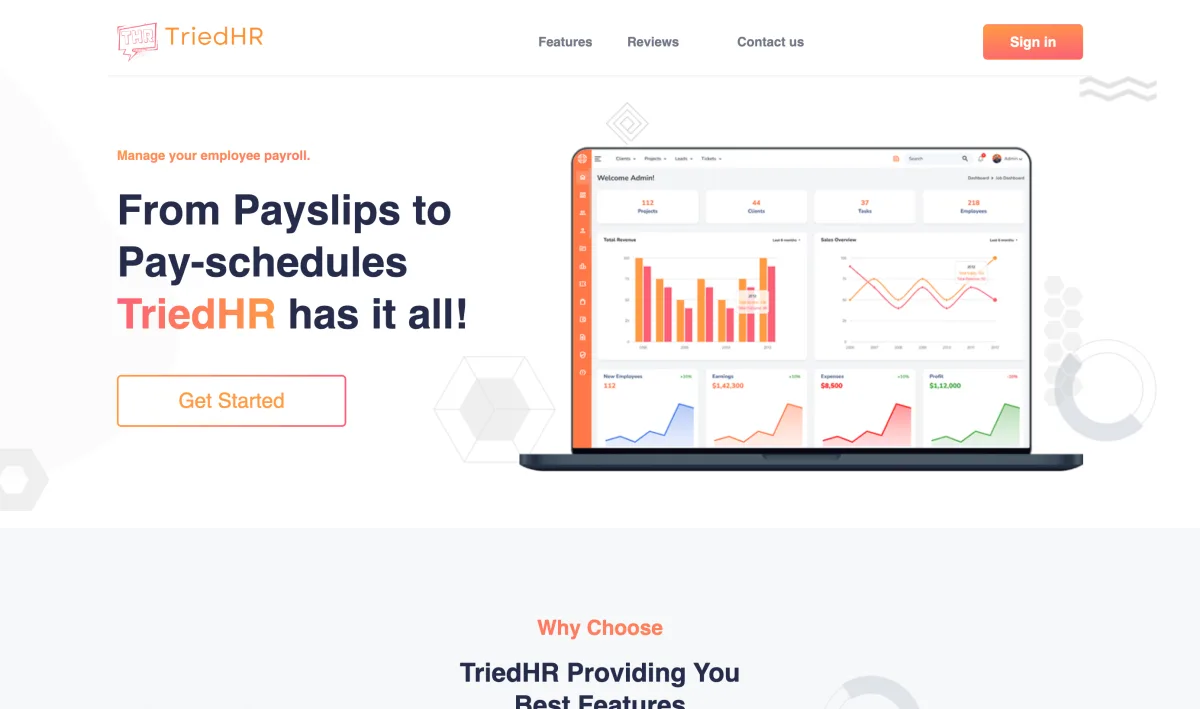
What we automate
- Approvals, reviews and case management
- Recurring reports and data consolidation
- Document-heavy processes
- Customer onboarding and service requests
- Handoffs and notifications between teams
Where AI helps
- Extracting data from documents
- Routing and prioritising work
- Assisted review with a person signing off
- Plain-language interfaces to workflows
- Insight from unstructured information
- The problem
- Approvals, documents, reports and handoffs take time without adding value.
- What you get
- Process map, prioritised automation plan, working workflows, controls, reporting and adoption support.
06 Product strategy and system design
Make the important decisions before the expensive ones.
Our architects, analysts and product leads turn an ambition into a system that can be built, with agreed requirements, technical direction and a realistic delivery plan.
Start with discoveryWhat you receive
- Business and user requirements
- Process and service blueprints
- Solution architecture and diagrams
- Functional and technical documentation
- Delivery roadmap with risks and dependencies
Useful when
- An idea needs technical structure
- You are preparing for procurement or investment
- You are planning to replace a legacy system
- You want to assess where AI could help
- You want confidence before a larger build
- The problem
- The ambition is clear, but the requirements, risks, architecture and path to delivery are not.
- What you get
- Agreed requirements, service blueprint, solution architecture, delivery roadmap and risk register.
Not sure where to start?
Tell us about the problem. We’ll give you an honest view of where to begin and whether we’re the right partner.